Designing a Gate Experience to Communicate Smart City Traffic Rules
Experience Design
Time frame: 8 weeks
Client: Major Manufacturer
Role: UX Designer
Skills: Field Research, Interview, Service Blueprint, UX Design
(Due to circumstances, only a summary is provided.)
Summary
For a major manufacturer’s smart city project, I was responsible for designing an educational experience that helps residents understand and adapt to new traffic rules and technologies safely. The project focused on creating a seamless user flow for the initial education process at the city’s gate facilities, ensuring that residents could consciously learn traffic safety rules. Through weekly meetings with the client, I developed a service blueprint aligned with the facility’s operations and proposed user-centered experience strategies.
This project was in the early phase before implementation and testing. Our team was responsible for field research, concept development, journey mapping, and proposing various initiatives. The client used our proposals as a foundation for internal design discussions.
Challenge
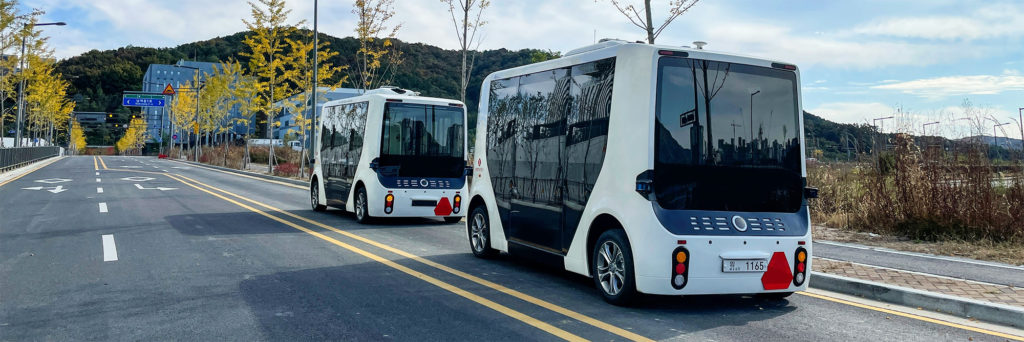
With the introduction of autonomous vehicles and unique traffic regulations, the smart city environment was expected to change significantly. To prevent accidents and ensure residents’ safety, an initial education process at the city’s gate facilities was essential. This required structuring both operational procedures and the user experience to create a smooth and effective learning journey.
Solution
To help residents understand traffic rules and improve safety awareness, we created a service blueprint centered on the educational experience at the gate facilities. Visual tools such as videos and digital signage were used inside the facility to reinforce the rules through repeated exposure. Additionally, we proposed features like a “Safety Pledge” and a rule review function within an app to encourage residents to naturally maintain safety awareness. The focus was on promoting voluntary behavior change rather than just conveying rules.
Process
Understanding the Project & Defining the Scope
Through research and stakeholder interviews, I identified the key characteristics of the smart city and the traffic rules residents needed to follow, refining the project scope accordingly.
Defining Personas & Opportunity Areas
I focused on a key persona—parents with children—to design a user flow that aligns with their behavior and needs. I explored ways to introduce traffic rules naturally and identified key educational touchpoints.
Mapping the User Flow
By analyzing residents’ movement through the gate facility, I designed an intuitive learning flow that integrates safety education seamlessly into their journey.
Field Research & Interviews
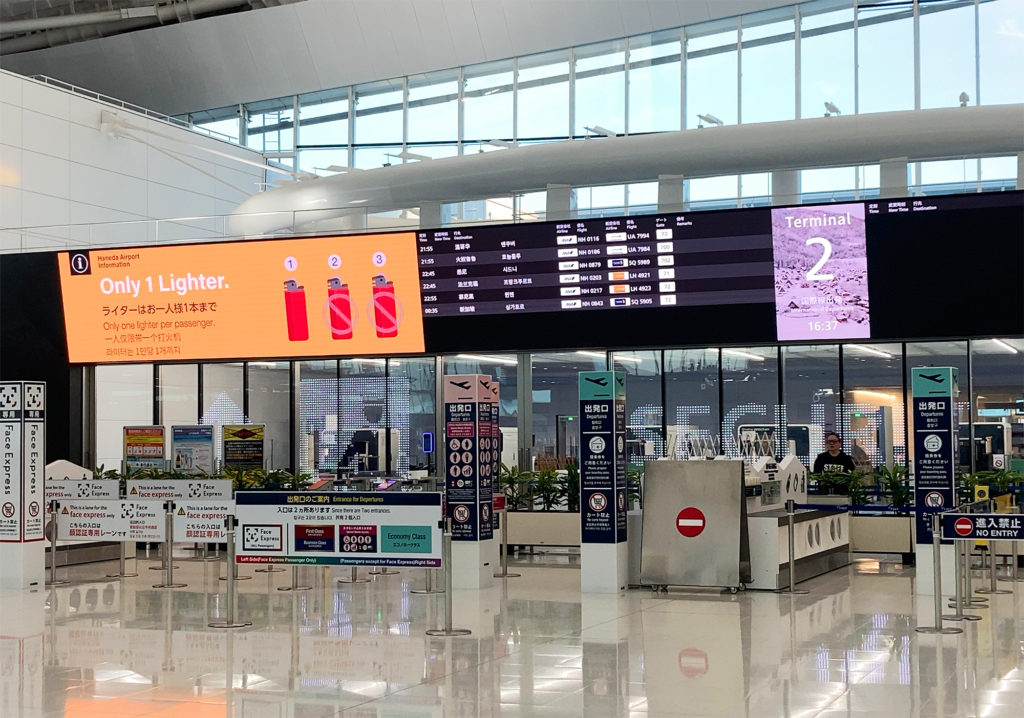
To study effective ways of conveying safety regulations, I conducted research at Haneda Airport, a facility with a diverse user base where both safety and user experience are prioritized. I also interviewed former airline staff to gain insights into how safety rules are communicated and enforced in real-world operations.
Key insights from the research:
- Users rarely pay attention to rules unless they are directly warned or encounter danger.
- Self-initiated actions reinforce safety awareness.
- User-friendly and repetitive reminders are the most effective way to encourage rule adoption.
Creating the Service Blueprint
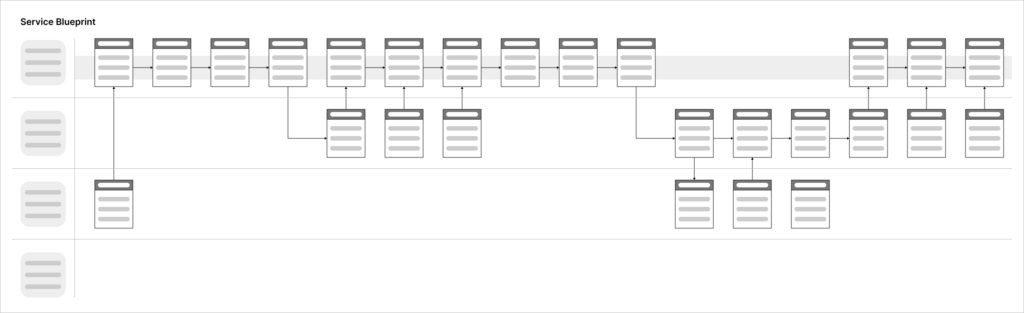
To ensure smooth implementation, I developed a service blueprint that outlined both the resident experience and the operational processes for facility staff. This alignment helped integrate user education into the facility’s daily operations.
Concept Development
Leveraging the “Check-in/Check-out” concept, I designed the gate facility as an interactive learning space rather than a simple passageway. The focus was on fostering a sense of ownership and responsibility among residents to encourage proactive adherence to traffic rules.
Experience Strategy & Proposals
To enhance the effectiveness of the education process, I proposed the following strategies:
Utilizing Digital Signage
Installed visual guides and instructional boards at key points in the facility to ensure continuous exposure to traffic rules.
Encouraging Safe Behavior through an App
Designed a mobile app with features such as:
“Safety Pledge”: Residents can commit to following traffic rules.
Rule Review Reminders: A feature allowing residents to periodically review safety guidelines.
Continuous Traffic Rule Education
Integrated push notifications to provide regular safety rule reminders, reinforcing long-term awareness.
Conclusion
By designing from the user’s perspective, we proposed a system where residents can actively keep safety in mind. A key point was working closely with the client every week, checking that the operation of the facility and the user experience matched well, balancing what was possible and what was best for users.
Key Outcomes
• Conducted field research at an airport and wrote a research report.
• Created a service blueprint combining user experience and operation flow.
• Designed experience ideas to encourage residents to change their behavior on their own.
• Proposed experience methods and prototypes using apps, digital signs, and videos.
• Received positive feedback from the client, and my proposals were used as important materials for their internal plans.
Reflection
This project reinforced the importance of user-centered experience design in communicating new rules and technologies. I learned that simply providing information is not enough—residents engage more deeply when they take an active role in the learning process. Additionally, I gained valuable insights into aligning experience design with operational feasibility, ensuring that proposed solutions can be seamlessly integrated into daily management.