A vision for a more equitable and sustainable Chicago
Design Research, Strategy, System Design
Time frame: 14 weeks
Client: Chicago City
Team members: Abigail Auwaerter, Alison Chiu, Arijit Patra, Brayan Pabon Gomez, Jeff Sprague, Jerick Evans, Kat Gowland, Kat Reiser, Kazumasa Yamada, Kota Fujikawa, Meghna Prakash, Rosanna Lederhausen, Ruohua Huang, Sanhyong Park, Siyuan Teng, Symone Fogg, Takeshi Tanaka, Takuya Isogai, Ujjwal Anand, Wenxuan Zhou
Role: Design Researcher, Strategic Designer
Skills: Design Research, Strategy, Analysis & Synthesis
How might we create a more “equitable and sustainable” system for Chicago’s civic infrastructure?
Summary
Challenge
Chicago’s roads have caused inequities for many years. Fines and fees make it extremely expensive to own a car in Chicago. Citations and tickets can quickly pile up, and for the working class, which is majorly BIPOC and Latinx communities, the price tag can be detrimental. Many residents have resorted to declaring bankruptcy as a way of relieving the crushing weight of debt.
Solution
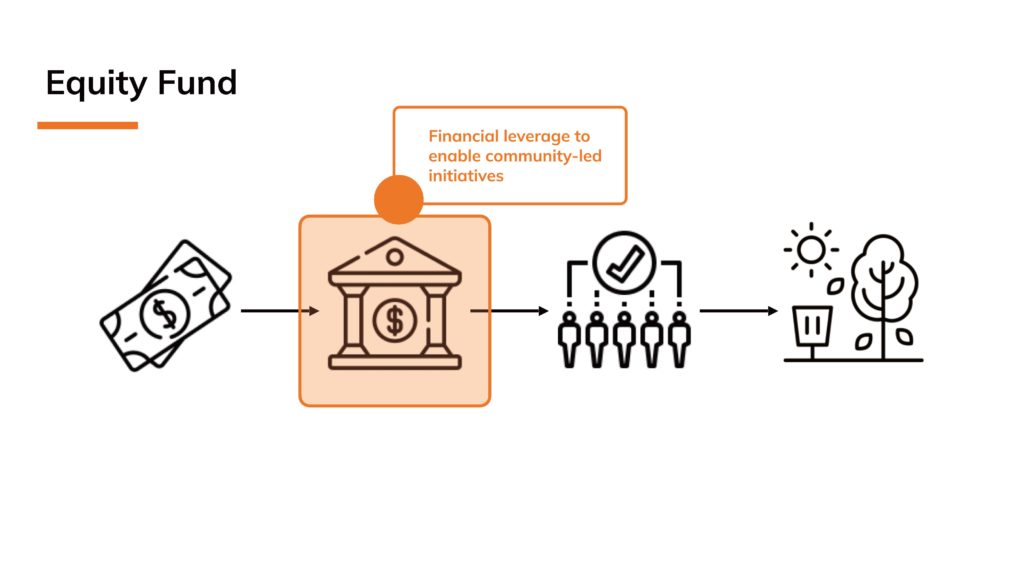
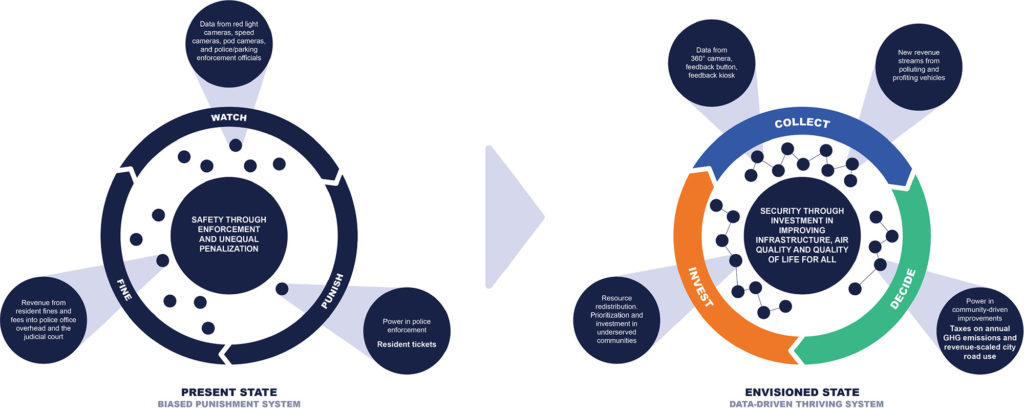
We planned what could be implemented to achieve a more “equitable and sustainable” society. Going from the biased cycle of punishment to the envisioned state of a data-driven system upheld by a fair and democratized collection of data. Providing accessible and impactful decision-making power to underserved communities, and investing back into marginalized communities.
Research
Inequities in Civic Technology
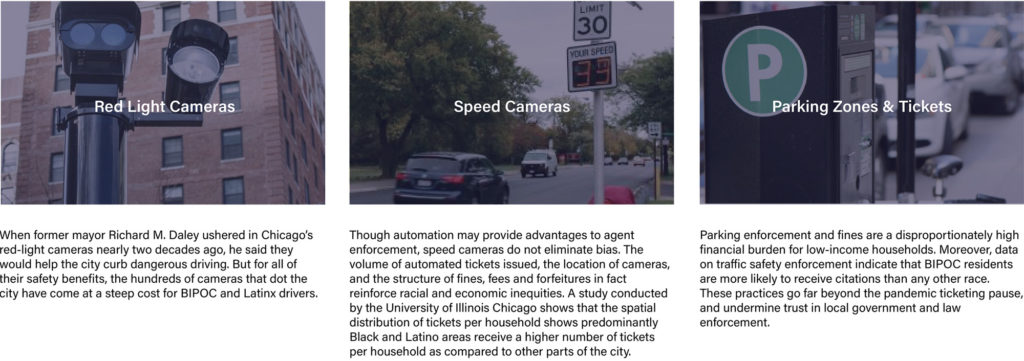
Citations and tickets from red light cameras, speed cameras, and parking meters can quickly pile up, for the working class, which is majorly BIPOC and Latinx communities.
One fine for a low-income resident can snowball into thousands of dollars, garnished tax refunds, vehicle impoundments and a driver’s-license suspension.
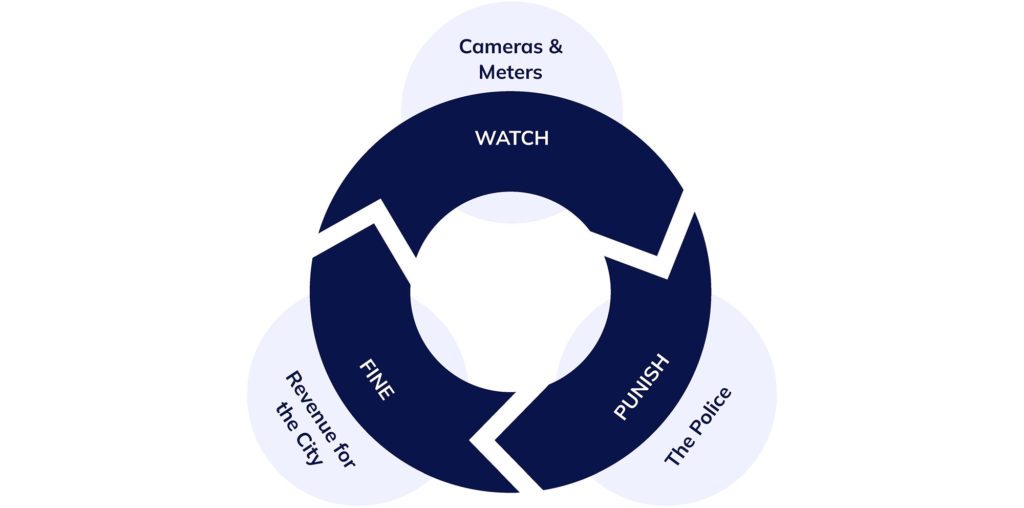
This reinforces the current state of inequity, as residents fall into a biased cycle of punishment upheld by the Infrastructures like parking cameras, speeding cameras and meters. The enforcement officials write tickets And the departments responsible for collecting fines & fees. The city then uses that revenue to maintain the infrastructure. The result is a punitive and oppressive relationship between the Chicago government and its residents most in need.
Principle
Engage Everyone
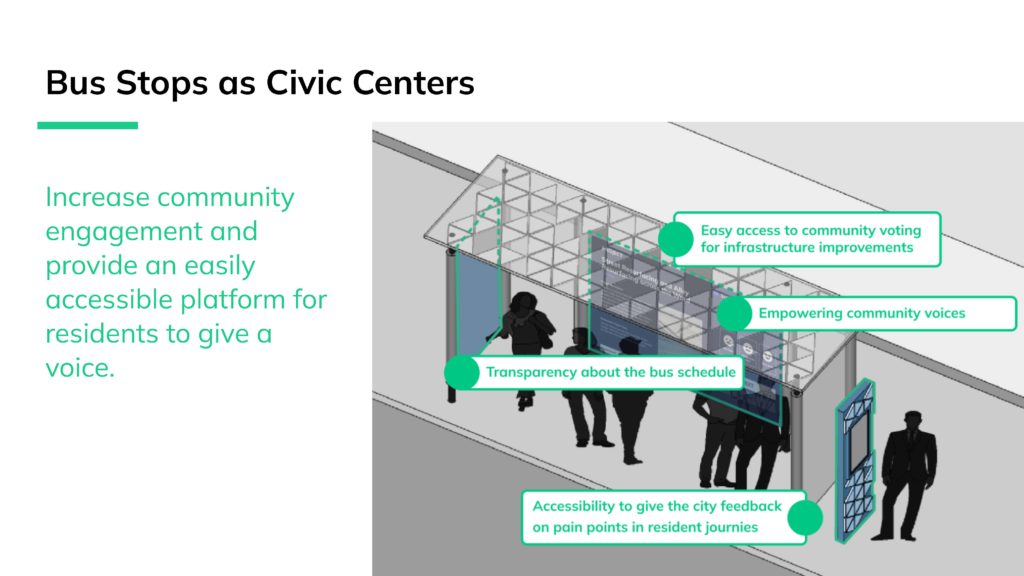
Meeting community members where they are on daily trips and inviting them to engage with the City in a variety of ways, requiring different levels of detail and time commitment, is vital for Cities to understand and serve the needs of all residents.
Shift from Fining Citizens to Fair Fee Structures
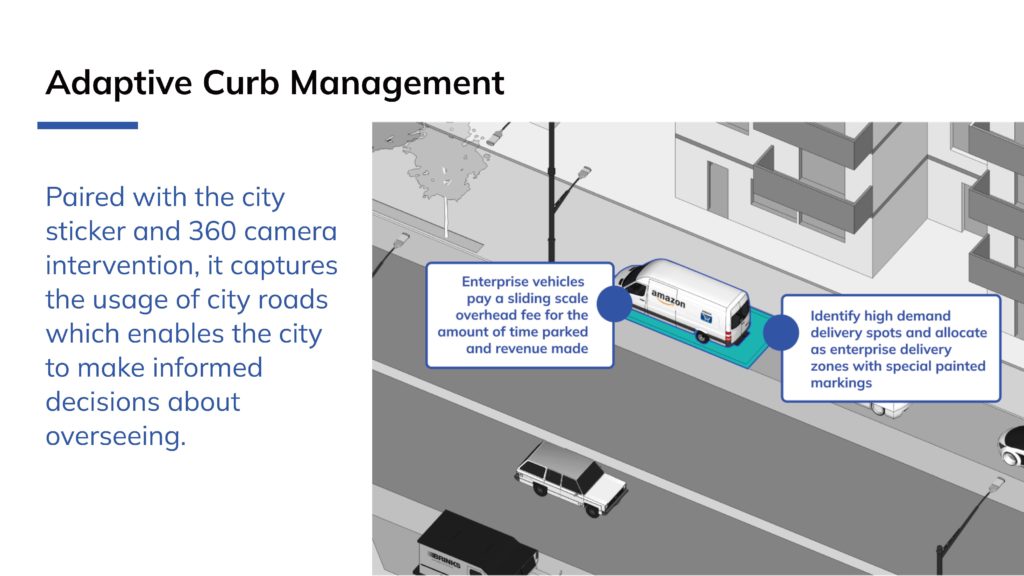
Create adaptive rule systems that generate value to all actors utilizing the infrastructure. Collect fees from individual and corporate actors proportional to the value provided.
Improve Chicago’s Environment
New system solutions should lessen environmental impact on local communities, as well as prioritize new forms of green infrastructure for the holistic health of residents.
Lead with Equity
Consider the needs and means of residents from every neighborhood and what all possible consequences might be from new products and services before implementing them into the lives of people whom they could unintentionally harm or inconvenience further.
Promote Community Safety and Quality of Life
New infrastructures improve the day-to-day lives of residents through better-built environments, policies, and safety measures that eliminate bias.
Democratize Data
Data is to be mutually beneficial for City Government and residents, built on trust that the government will not abuse the data or their power.

Solution
Targeting Interventions Towards an Equitable and Sustainable System
Our goal is to envision a future where Chicago is a leader in providing all residents a healthy, affordable, and thriving quality of life. A future where Chicago creates an empowering society through equity-driven civic infrastructures, the fair use of data, and an environmentally-sustainable built environment.
Reframing System Goals
Shifting power dynamics towards community decision-making to improve Quality of Life for all.
How to get there
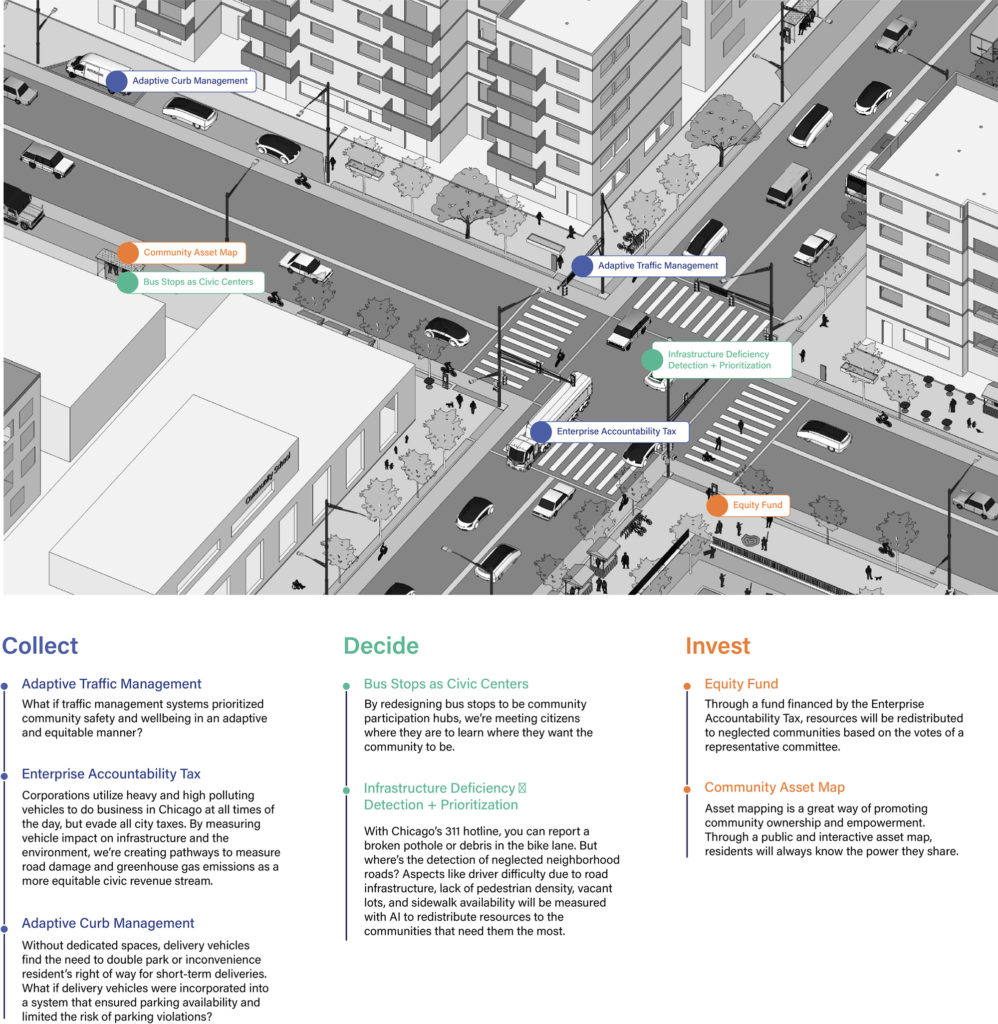
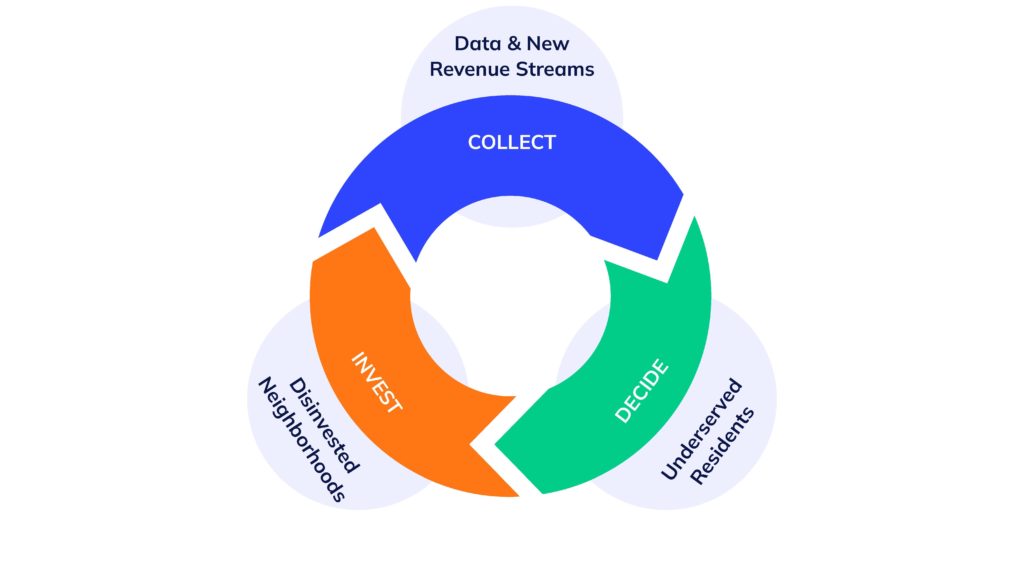
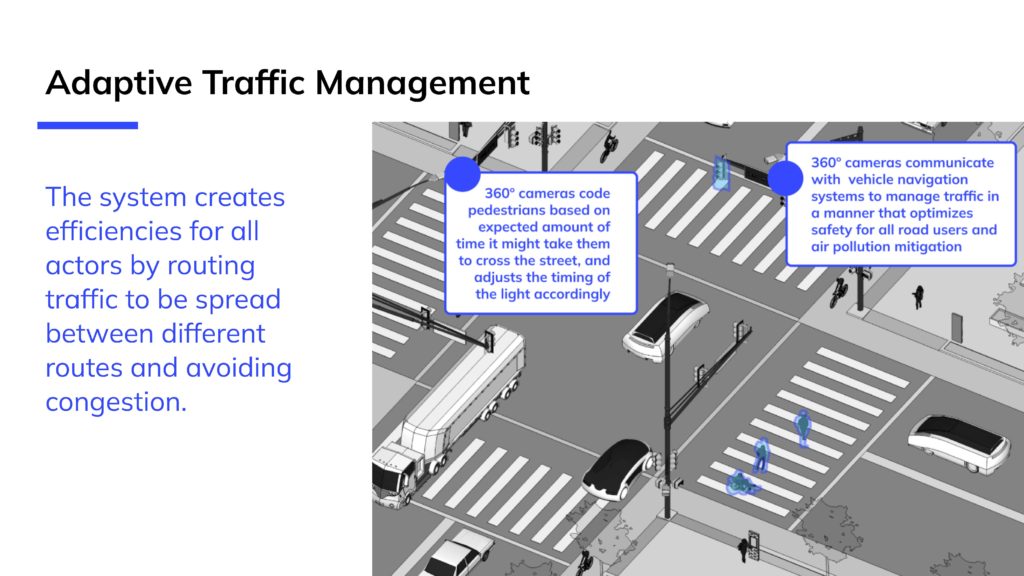
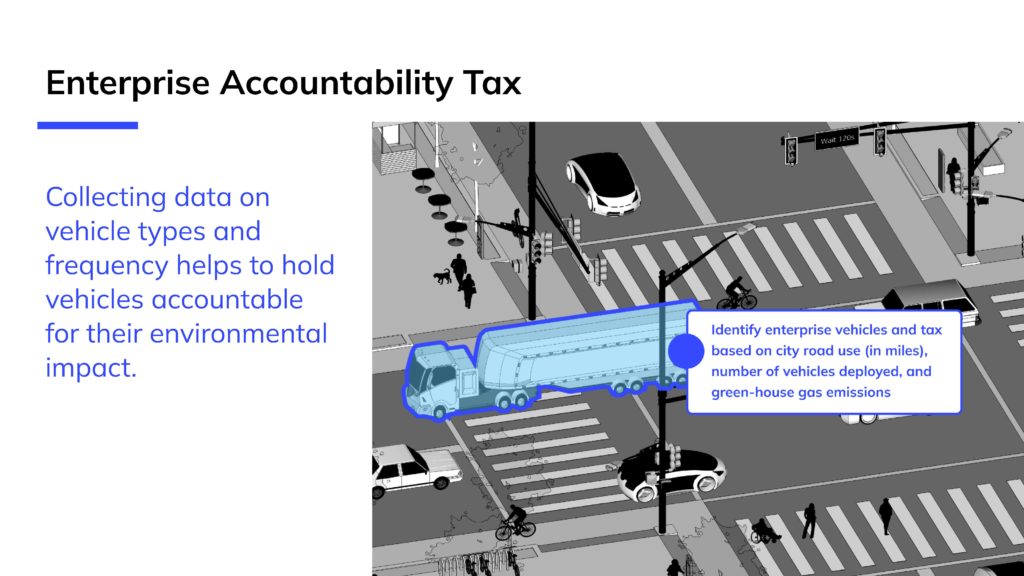
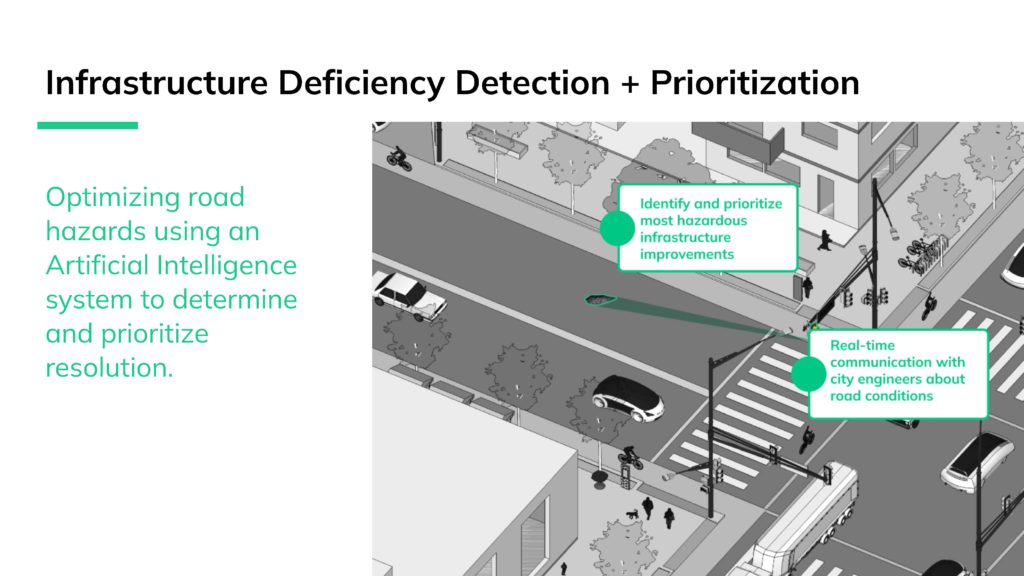
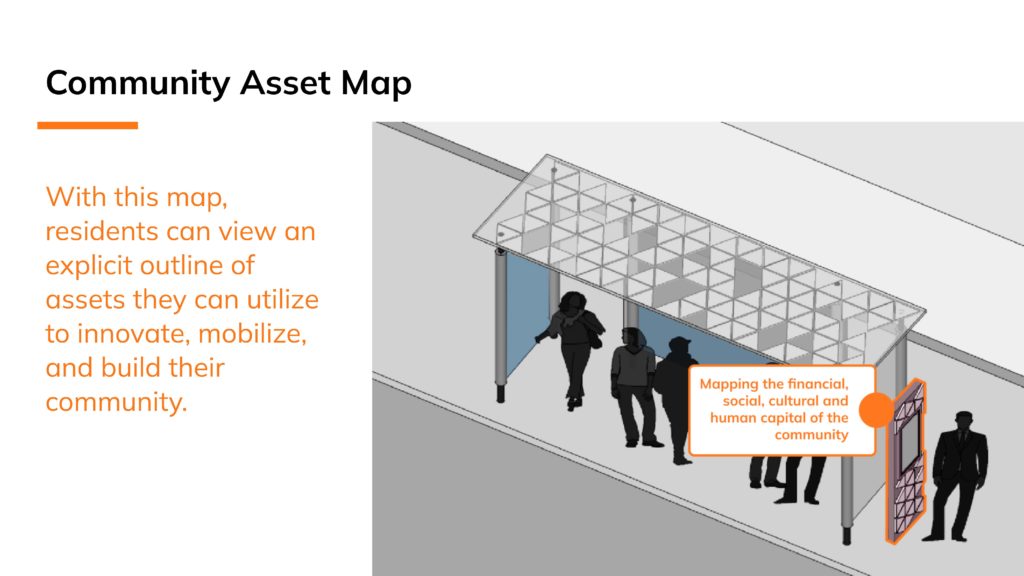
We suggested a series of interventions with an overarching strategy. Firstly, collecting fees and data in a more equitable and sustainable manner. Secondly, deciding how to use these inputs by analyzing the data and including the voices of underserved residents. Finally, investing funds back into underserved neighborhoods to achieve an equitable and sustainable city.

Embodied Goals in Context